Child play specialist · Haarlem
Kids don’t talk about what’s hard
They play about it
Play sessions for children aged 3–12, based on the Child-Centered Play Therapy (CCPT) method. Play offers a way to cope with challenges such as moving, anxiety, adjusting to a new school, changes in the family, and grief.
Free 20-minute online intro with parents to discuss your needs
Who can these play sessions help?
Difficult emotions
Frequent meltdowns, tears, and anger. Helping your child return to a calm state has become difficult.
The move hit hard
New country, new language — and your child suddenly seems like a different kid.
Fears multiply and become distressing
Your child does not want to be without mum or go to activities — anxiety has started getting in the way of life.
Your child has withdrawn
They have become quieter, answer everything with “fine”, and seem closed off and reluctant to talk.
Changes in the family
A new sibling, divorce, or bereavement: a big event and big feelings.
Signals from school or daycare
Teachers report conflicts or difficult behaviour. Other children do not invite your child to join their play.
You are looking for a way to help your child, which means you are already helping. During a free 20-minute online intro, we can discuss whether play sessions based on the CCPT method may suit your child.
Why does play work?
Child-Centered Play Therapy (CCPT) is a non-directive form of play in which children express themselves as they choose and can process their feelings and life experiences without judgment.
The play specialist does not invent the story, push the child in any direction, or teach. The specialist accepts and follows the child, reflects feelings and actions, and acknowledges the young client’s choices and responsibility.
The University of North Texas Center for Play Therapy identifies CCPT as an evidence-based approach. A meta-analysis of 52 controlled studies found positive outcomes for children with emotional and behavioural difficulties. For complex conditions, play sessions may be only one part of broader care.
Research sources
«The focus is on the child, not the problem»
More than 70 years of development and research
The CCPT evidence base includes dozens of controlled studies.
Once a week at a consistent time
Regularity and predictability are part of the method.
Course length is individual
Every 5–6 sessions we review progress with parents and decide what comes next.
How it works
Intro meeting
A free 20-minute conversation with adults only, without the child. You explain what is happening and ask any questions. Together we consider whether this approach suits your child.
An in-depth conversation with parents
If, during our introductory meeting, we decide that play sessions could be helpful for your child, I will send you a questionnaire and we will meet again for a more detailed conversation.
First play session
Your child comes to the room, settles in, and plays. We get acquainted through the language of play. Parents do not attend the session.
Weekly — 45 minutes
The same day and time each week. Consistency is not a formality but part of the method: it gives the child stability to rely on.
Parent meetings
A free 50-minute online meeting when needed: we discuss what is happening, what is changing, and how to support your child at home.
Ending
When we reach positive results, we do not end contact abruptly. We conclude in a way that is predictable for the child: review the journey and say goodbye to each other and the play space.
The playroom
The room is set up so every feeling has a language to speak:
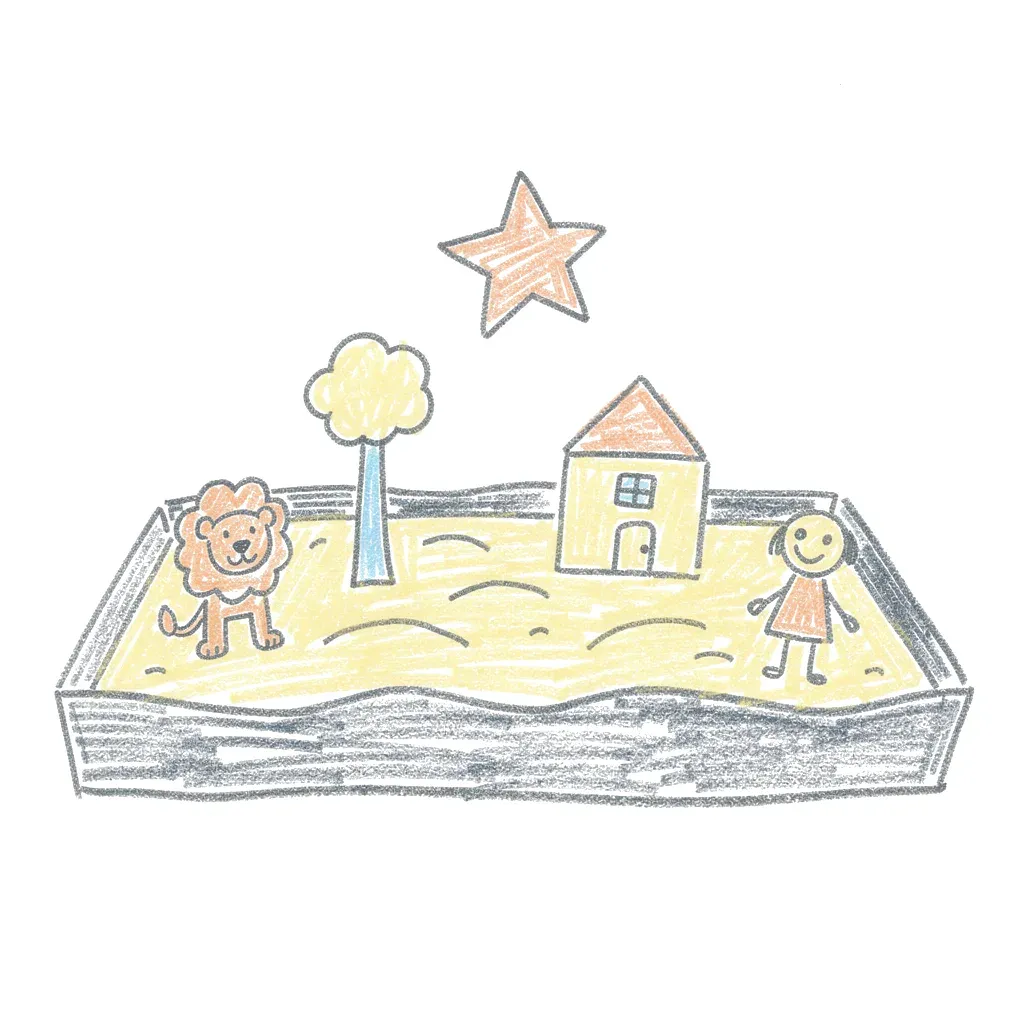
Real-life toys: a family, houses, cars, and animals
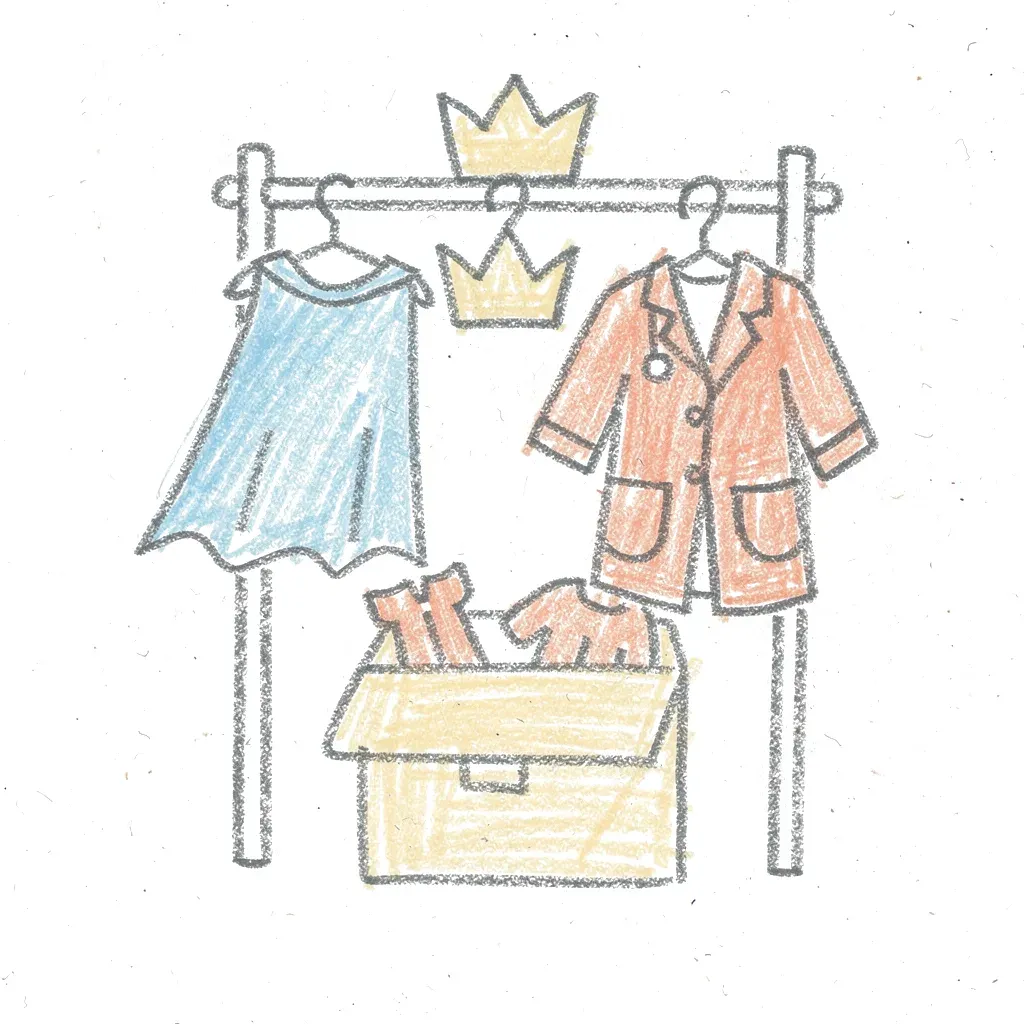
Costumes — be anyone for a while
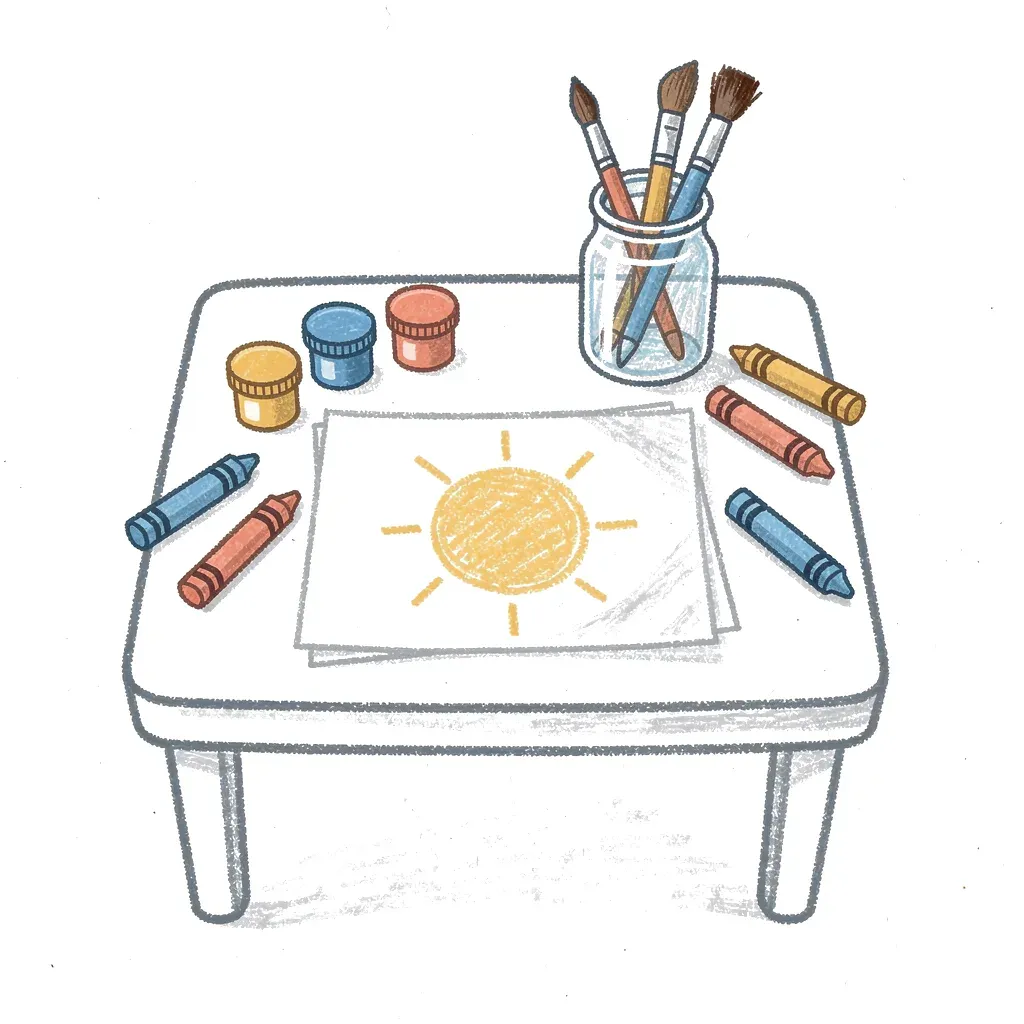
Paints, crayons, clay — make things
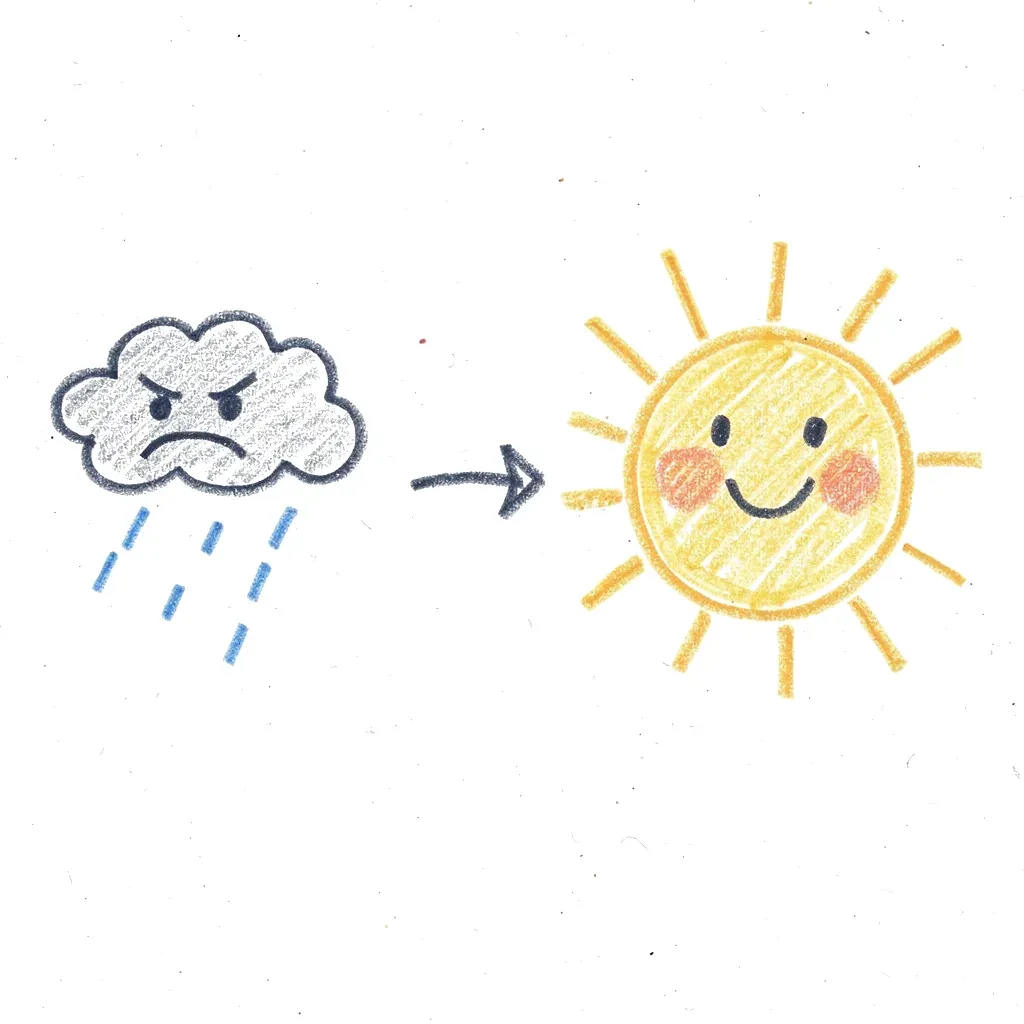
Materials for big feelings — rage, battle, and win
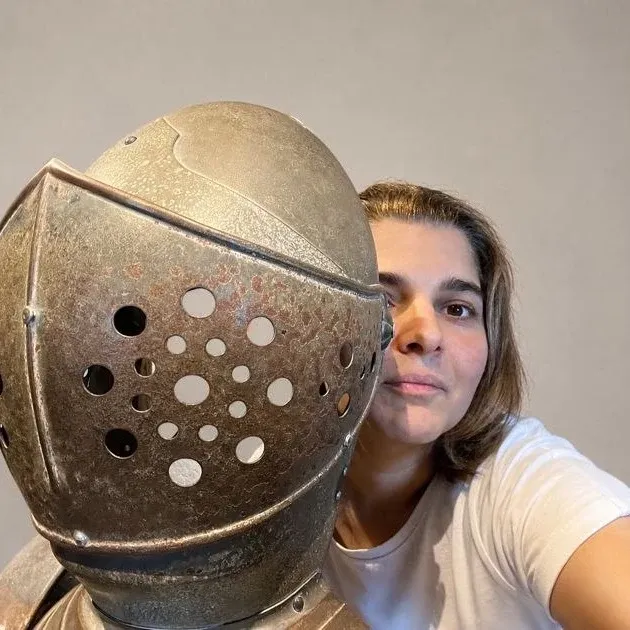
My name is Daria Manina
I am a child play specialist. I speak Russian with children and also speak the language of play. I welcome families in a cosy practice in the north of Haarlem.
- Method: “Child-Centered Play Therapy (CCPT)”, Center for Family Systems Therapy, 2026
- Specialisation: “Child Psychology”, professional retraining programme, 2026–2027
- Academic background: Vygotsky Institute of Psychology (RSUH), master’s programme in Family Counselling, 2026–2028. Lomonosov Moscow State University, specialist degree, 2005–2010.
Contact me
Fees & practical things
- Play session
- 45 minutes weekly, at a fixed day and time
- Intro meeting
- 20 minutes online for parents, free
- Parent meeting
- 50 minutes online every 5–6 sessions, free
- Price
- €40 per session
- Payment
- to the sole proprietorship’s business account
- Cancellation
- If cancelled less than 24 hours in advance, the reserved slot will be charged
The practice is at Lingestraat 1, 2025 RC Haarlem — 15–20 minutes by train from Amsterdam.
Parents ask
Is this psychotherapy? Are you a doctor?
I am a child play specialist, not a psychotherapist or doctor. I offer play sessions based on the Child-Centered Play Therapy (CCPT) method. These sessions are not psychotherapy or a medical service and do not replace an appointment with a doctor or other licensed healthcare professional. Play sessions give children a safe environment in which to work through difficult situations.
My child would just be playing. What am I paying for?
For what ordinary play does not have: space for self-expression; a non-judgmental specialist nearby; acceptance; naming feelings and experiences; staying with difficult emotions; and holding boundaries. It is extremely difficult to recreate this at home because a parent is mum or dad, not a neutral adult. The principles of Child-Centered Play Therapy turn play into a helping process.
How many sessions will we need?
The length depends on the child’s needs and response. Every 5–6 sessions we review with parents what is changing, which difficulties remain, and what should come next.
What do I tell my child before the first session?
Keep it simple and honest: “There is a room with lots of toys where you can play however you want.” Do not say that you are going to a “doctor”, a “check-up”, or that “they will fix you” — that is not the aim or intention of these sessions.
Will you tell me what my child did in the session?
The content of sessions stays between me and the child — that trust is essential to the method. If a child says something during play that suggests a threat to their safety, that is an exceptional case and the parents will be informed. At parent meetings we discuss the overall progress: what is changing and how to support the child at home.
We live in Amsterdam. Does it make sense to book?
Haarlem is 15–20 minutes from Amsterdam by direct train. The practice is about 15 minutes from Haarlem station by bicycle and can also be reached by bus.
My child is shy and slow to warm up. Will this work?
That is exactly what the playroom is for: nobody demands talking or “behaving properly”. A child may play silently, spend a long time looking around, or play without involving the specialist — progress always follows the child’s pace. This method is especially suitable for shy children.
What if my child does not want to go?
It happens, but one first visit is usually enough for a child’s worries and anxiety to fade — a room full of toys is more convincing than any pep talk.
Start with a meeting
20 minutes for parents, without the child. You describe your situation and I explain how play may help. Then you decide whether this format suits you.
- In Russian or English
- Online
- No commitment